June 30, 2026
B2B Buyers don't care about features. They care about not looking stupid.
Your B2B buyer isn't choosing the "best" product. They're choosing the safest and most familiar one. I share the truth about B2B buying in the age of AI.
Most founders and teams I've worked with over the past 8 years make the same mistake:
They think B2B buyers care about features.
They don't. They care about not looking stupid.
The truth about B2B buying
Here's what nobody tells you when you're building a product:
Your buyer isn't choosing the "best" product. They're choosing the safest and most familiar one.
The VP evaluating your tool has a mortgage. A reputation. A boss who will ask questions if things go sideways. When they pick between you and a competitor with similar capabilities, they'll choose whoever makes them feel smart, safe, and ahead of the curve.
Decision-makers are humans with egos, fears, and career ambitions. They're terrified of being the person who chose the risky vendor. They want to look like a visionary, not a gambler.
In 2026, with AI tools multiplying daily and web3 still carrying "crypto bro" baggage, the emotional stakes are even higher.
What "emotional connection" actually means
Being emotionally connected with your B2B client is not about making people cry. It's about making them feel something specific.
Humans chase three things:
1. Security: "Will this protect my job and my company?"
2. Belonging: "Are these my people? Do I trust this team?" (btw, I have a video about tech slang and the words signaling belonging)
3. Growth: "Will this make me look smart? Am I ahead of the curve?"
The best tech brands don't just ship features. They signal:
- This is safe
- This is legit
- This is the future, and you're early, not reckless.
That's the emotional math your buyer is doing. And if you're not engineering for it, you're leaving it to chance.
I like how Lovable combined all three needs into one and became one of the most recommended and recognizable AI-powered tools for startup founders and creators. Their tone of voice, social media presence, brand style, interface design, and sales execution made Lovable a lovemark for both B2C and B2B audiences.
The "aha moment" that changes everything
You could see this play out dozens of times:
A founder pitches their product. The buyer nods along. They say "interesting," and then... nothing.
But when you hit the emotional connection right? The buyer leans in. Their eyes light up. They say something like: "Wait, this is exactly what we've been trying to figure out!"
I've seen this when working with clients on sales strategy, personal growth, and public presence. That's the cognitive click. It's not about understanding your product. It's about recognizing themselves in your story.
How to build an emotional connection in B2B
Here's the framework I use with founders:
Step 1: Nail the rational layer first
In AI and web3, you can't skip this. You need clarity on:
- What actually works today, not roadmap promises
- What outcome you deliver (in their language, not yours)
- Why the price is justified
Before you touch emotion, answer these:
- What truly differentiates us?
- What measurable outcomes do customers get?
- Does pricing match the risk they're taking on us?
- How are we perceived today vs. how we want to be perceived?
If you can't answer these clearly, emotion won't save you. It'll just make you look like hype.
Step 2: Map the emotional triggers
Psychologist Robert Plutchik proposed an “emotion wheel” model with eight core emotions paired as opposites: joy vs sadness, trust vs disgust, anger vs fear, and anticipation vs surprise.
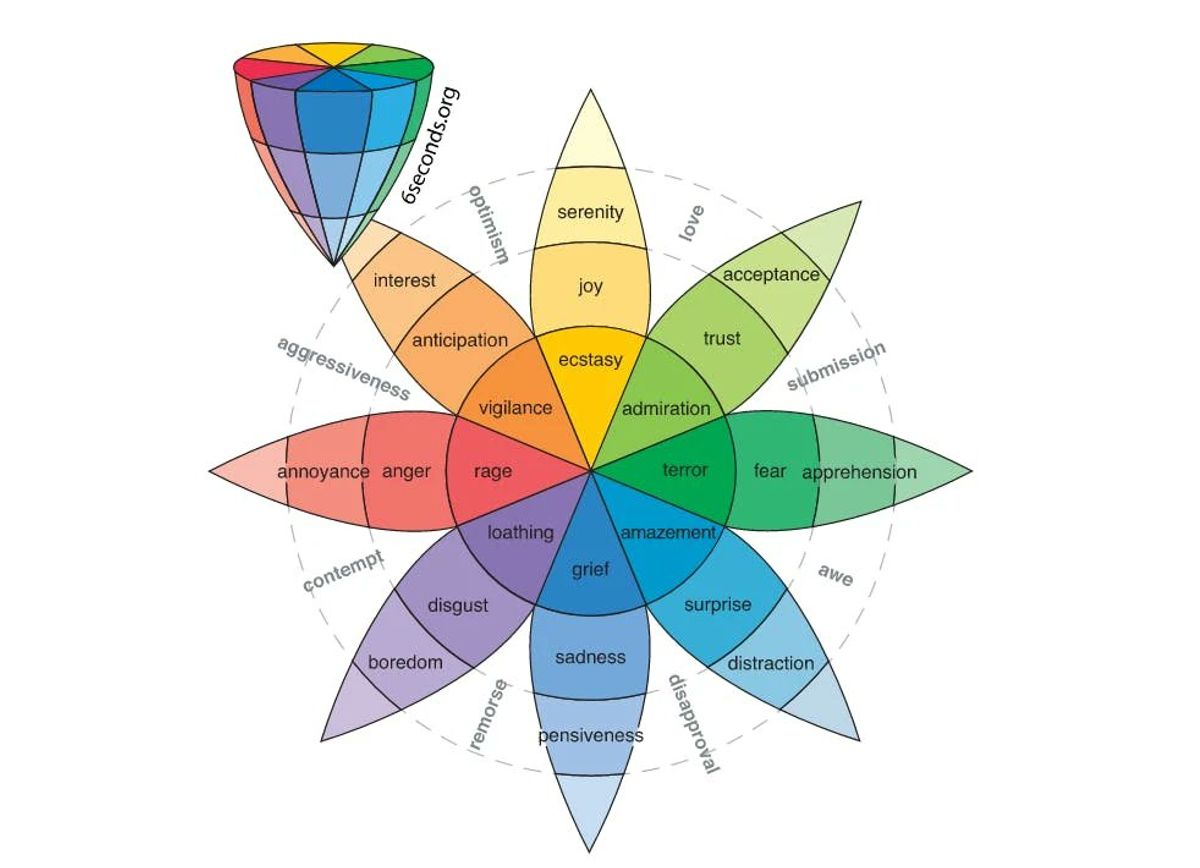
In B2B communications in the tech industry, your job is usually to engineer trust + anticipation while reducing fear + disgust (disgust shows up when people think “scammy,” “sketchy,” or “overhyped”).
Step 3: Leverage the four B2B emotional triggers
These are the levers that move deals:
Career safety
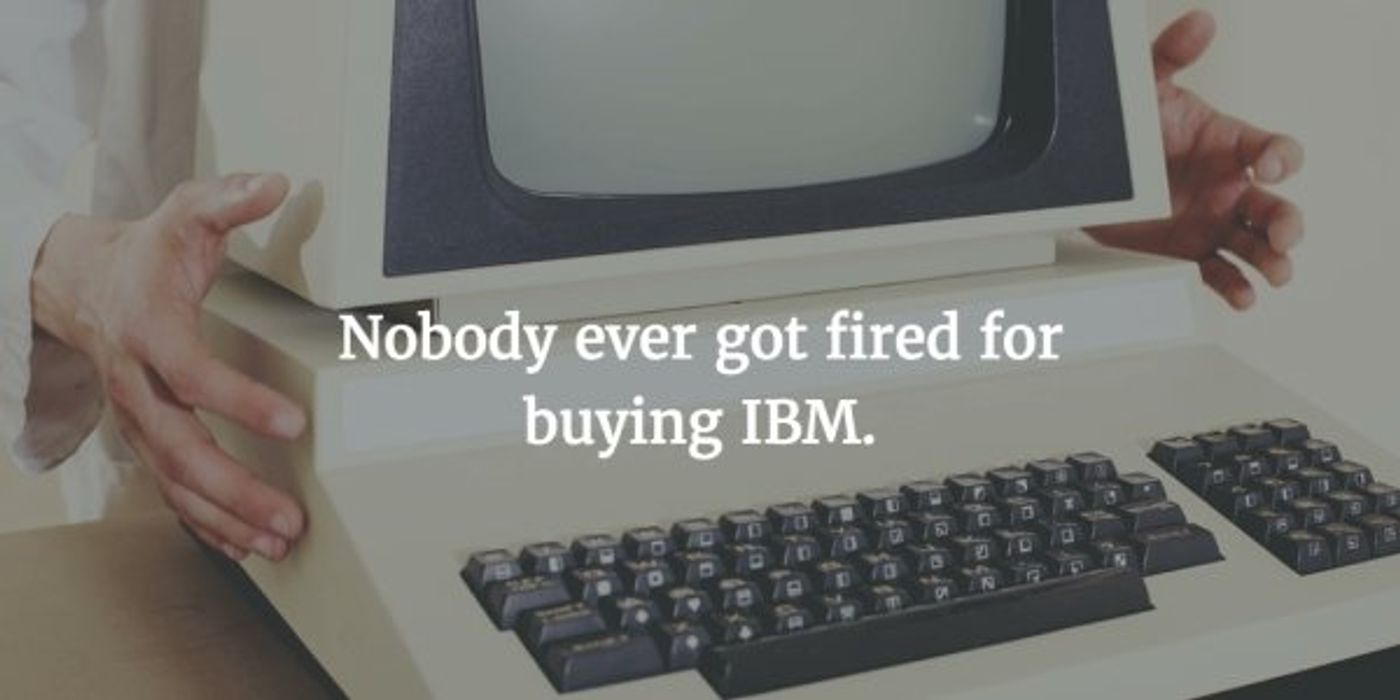
IBM's old slogan was legendary: "No one ever got fired for buying IBM."
There were probably some upstarts that could have been much better, but did that matter to the guy who was putting his reputation or even his career on the line? Nope, not a bit! Fear, uncertainty, and doubt led rational people to continually opt for the safe and conservative option.
Your messaging should answer: Why is choosing us the safe move?
Technical curiosity
B2B buyers want cutting-edge tech. Not just because they need it, but because it's exciting. It makes their work future-oriented and adds more value to their CVs.
Remember when every company wanted "blockchain" even when they didn't need it? Same energy now with AI. Nope, actually, every company needs AI to improve its processes.
Personal resonance
There is a chance to close the deal if you learn your buyer well. Your ICP (ideal customer profile) can be obsessed with sci-fi, F1, or padel, and you can always casually reference Dune, the new season of "Drive to Survive", or share the new brand of sportswear specifically for padel players in a follow-up email or personal meeting at the conference side event.
People buy from people who feel like "their people."
Incentives (yes, including selfish ones)
Conferences in interesting locations. Exclusive dinners. Early access to features they can show off internally. This isn't bribery; it's human nature. People respond to feeling special. Use it ethically, but don't pretend it doesn't exist.
The bottom line
In 2026, your AI or web3 product isn't competing on features alone. If you're a founder, BD, or a person responsible for working with B2B clients, ask yourself these questions:
- Do people remember us after one conversation?
- Do customers recommend us without being asked?
- Do we feel like a credible choice in a risky category?
If the answers are "no" or "I'm not sure", that's your signal. You're competing on how you make people feel about choosing you: safe, smart, and ahead. Build for that, and the demo or pitch conversations get a lot easier.