May 19, 2026
"Taste is all you need" is a cope for vibecoders
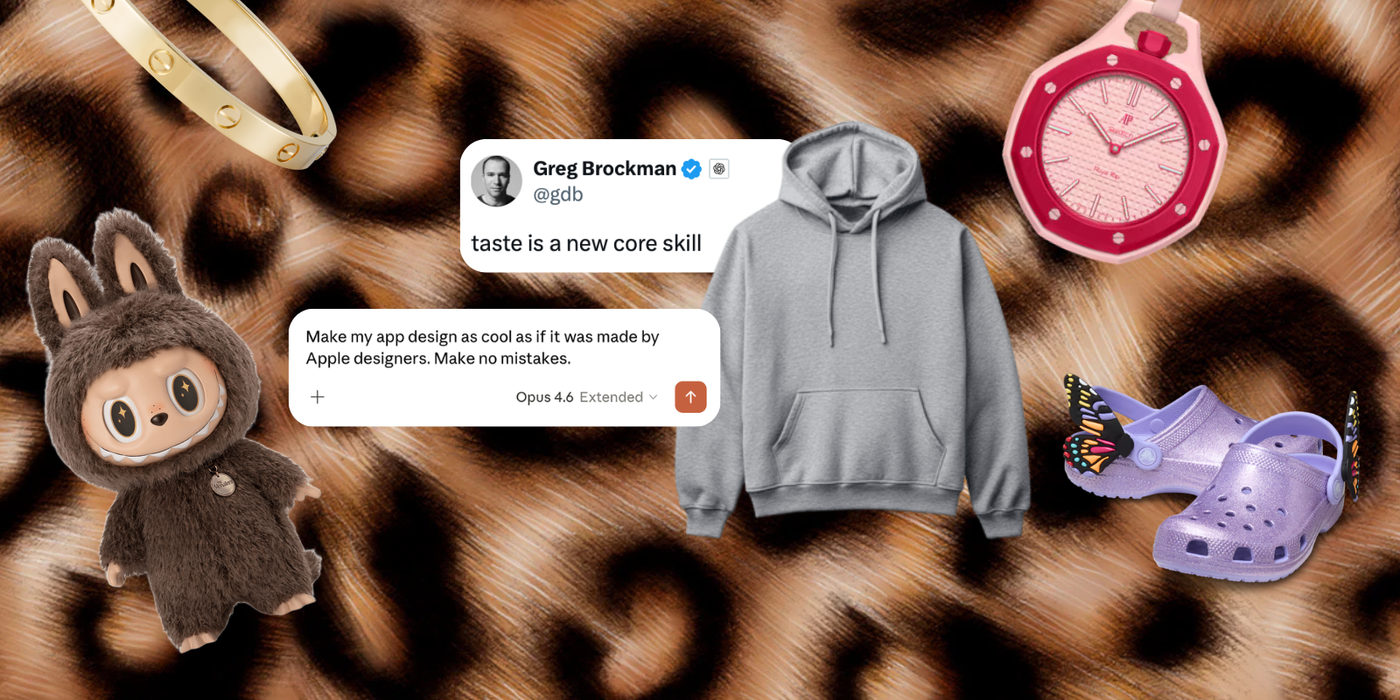
In the AI era, code is a commodity. It’s no longer an exclusive skill. Founders are looking for a secret sauce. Some think it's taste. I explain why taste has nothing to do with commercial success.
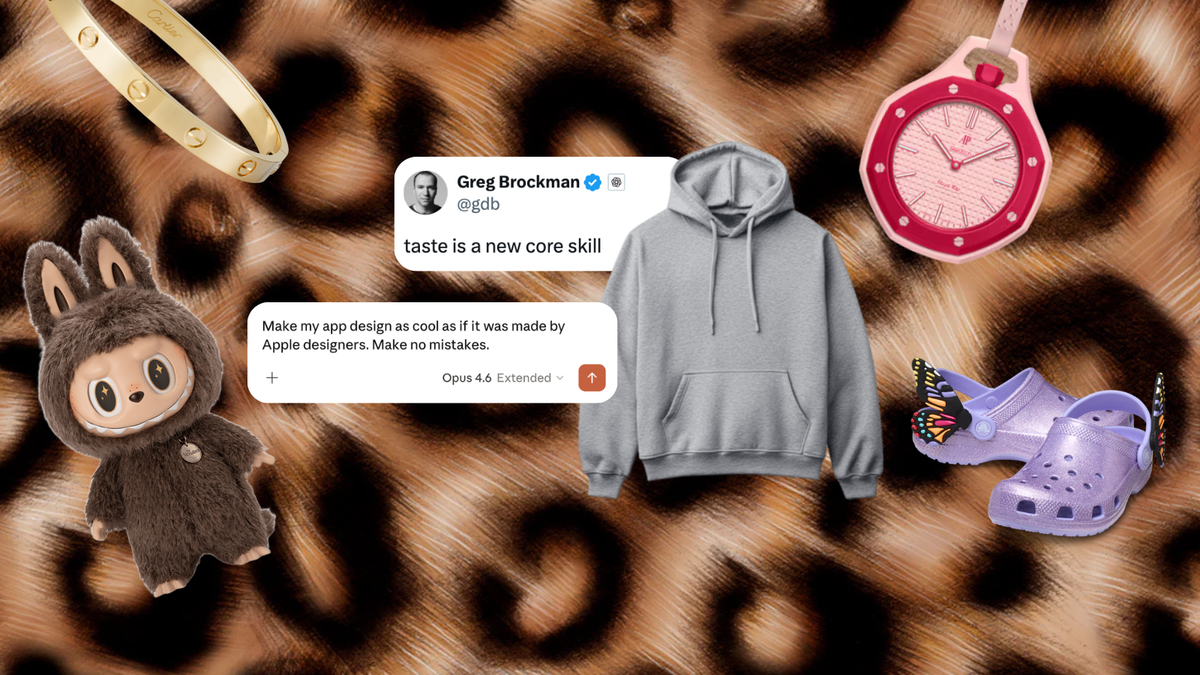
"Taste is all you need," says every vibecoder on X. Cool. Now explain why Labubu, Guess bags, and Donald Trump are worth billions, and your tasteful side project has 12 users.
In the AI era, code is a commodity. It’s no longer an exclusive skill, and more developers understand this.
Solo founders and small teams are waking up to a new bottleneck: nobody cares about your product. Distribution is the problem. So they go looking for a secret sauce.
Some think it's about taste.
My name is Daria. I help tech teams with positioning and narrative, so they can easily communicate their product’s value. I studied management and sociology, and cultural anthropology is my guilty pleasure.
As someone who has visited a vast number of classic and contemporary art museums in Europe, collects niche perfumes, and can recommend Michelin restaurants in half the continent, I'd be happy to agree with Greg and others. But there's a big misconception about taste in business that I can't ignore.
Let me explain why your taste has nothing to do with commercial success, and what you actually need to survive the AI-powered era.
The big misconception of taste
Kim Kardashian didn't build a billion-dollar brand by having exquisite taste. She understood what people want to be seen consuming. That's a fundamentally different skill, and it can't be vibecoded.

The things that actually win in the market aren't winning on taste. They're winning on attention, desire, status signaling, and distribution. Four words that never appear in a single "taste is all you need" tweet.
Sorrentino's eternal complexity vs Marvel's disarming simplicity
Let me explain this using something familiar: movies. It's one of the clearest cultural examples of the gap between taste and commercial success.
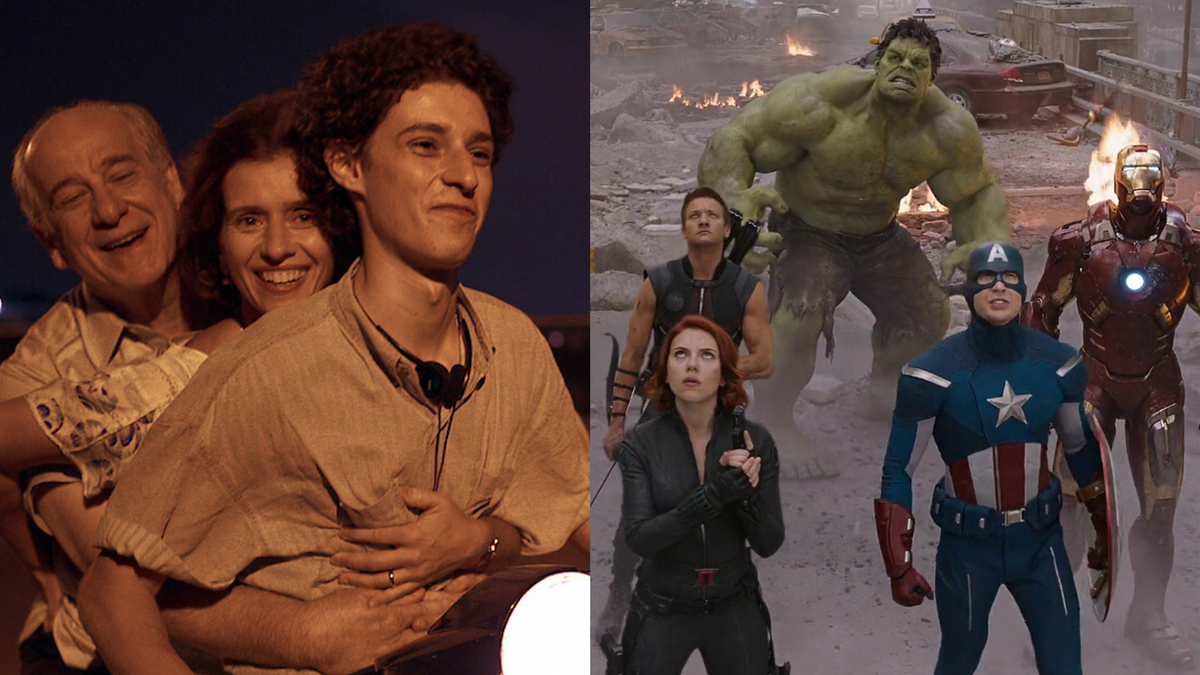
Paolo Sorrentino is one of my favorite directors. He has the kind of taste most filmmakers would kill for. His characters are deep, their struggles feel real, and their appearance is authentic.
You can’t find the answers in Hand of God, The Great Beauty, or Parthenope. Quite the opposite: while watching them, you face even more questions, often uncomfortable ones. That's exactly why his audience is niche.
Marvel characters are straightforward. You know who's good and who's the antagonist within five minutes. These movies don't require extra thought. They entertain through flawlessly executed clichés. They're understandable in almost every country on Earth (probably except North Korea).
That’s why Marvel became the most dominant cultural force in cinema for a decade. Even with Captain America, who might be the dumbest character in the entire Marvel universe.
The vibe coder posting "taste wins" is essentially saying they’re going to be Sorrentino. But the market rewards Kevin Feige.
The rare middle ground is someone like Wes Anderson: genuine taste combined with an understanding of his brand as a marketable aesthetic. He turned his taste into a recognizable product. But that’s exceptionally rare, and even Anderson is tiny compared to Marvel.
The fun thing is that Marvel is kitsch. It gives you the shape of mythic storytelling, the feeling of emotional stakes, without any of the actual risk. Which brings us to an important distinction.
Tasteless vs. Kitsch
These two look similar from a distance, but they operate on completely different principles.
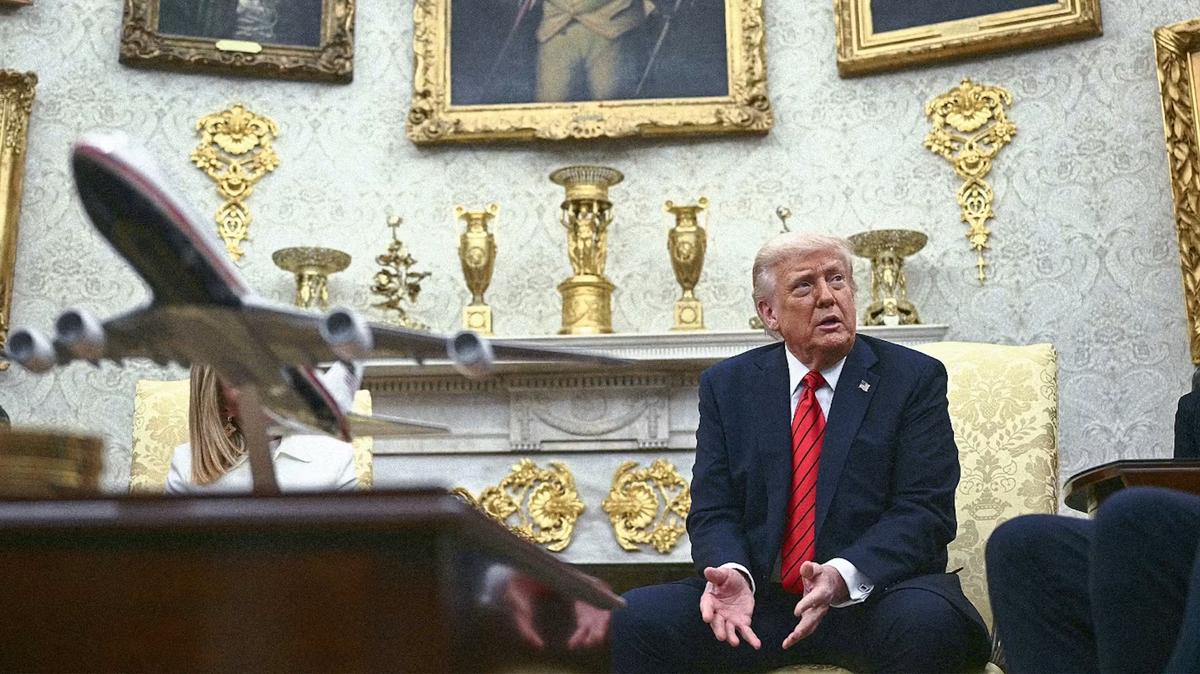
Trump's gold penthouse isn't referencing anything. It's not making a statement about design history or luxury tradition. It's just: "this is expensive, therefore good."
Tastelessness is innocent. It bypasses the entire conversation about beauty and goes straight to desire.
Guess bags aren't winking at you either. The product exists to grab attention without any self-awareness about where it sits in a cultural conversation. Their allusion to Gucci is so obvious it's almost endearing: it gives women all over the world a hint of the premiumness they desire, at a price they can afford.
The people behind Guess are not confused about any of this. They use the tastelessness of their audience with surgical precision. ARR: about $3 billion (2025), growing at roughly 8% year-over-year.
Three billion dollars a year for logo-heavy bags and jeans that no fashion critic would take seriously. Meanwhile, countless "tasteful" independent designers with beautiful craftsmanship struggle to break a few million.
Guess didn't win on product quality or design innovation. It won on brand recognition, sexy advertising, and distribution.
Kitsch knows exactly what it's doing. It borrows the feeling of meaning, beauty, or emotion without earning it.
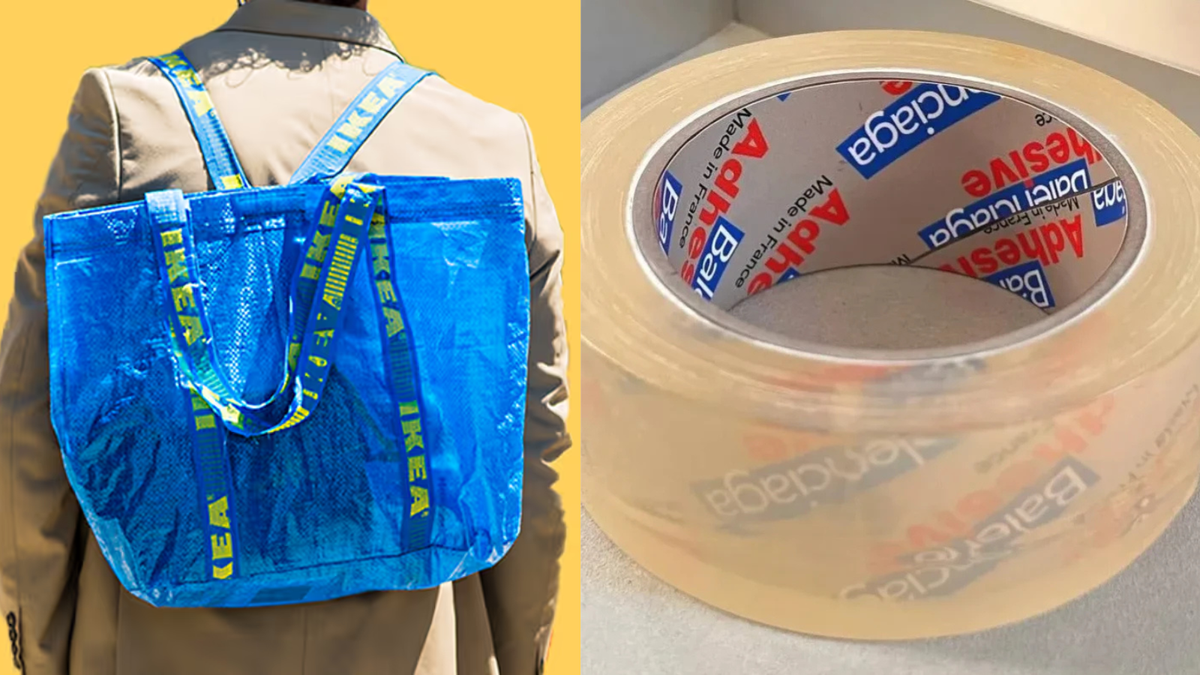
Balenciaga is THE CASE. The house was once famous for sophisticated haute couture pieces. Then Demna Gvasalia took over as creative director and mastered the art of kitsch: making people pay hundreds of dollars for what looks like an Ikea bag or a towel skirt.
He understood that in a saturated luxury market, provocation sells faster than craft. The product isn't the bag. The product is the reaction.

The recent global frenzy surrounding the AP x Swatch drop proves that commercial success has nothing to do with taste; it’s clear kitsch. Young men aged 17 to 25 (the primary audience for these watches) were given hope that they don’t need a six-figure salary to buy into high society.
I’m sure half the people in those massive lines had absolutely no intention of buying a watch when they woke up; they were victims of proximity-based FOMO.
Starting at $400 in the US and €385 in Europe, the resulting hype and secondary-market resales have driven the cost of these pieces of “affordable luxury” up to $2,000–$3,000. This AP x Swatch collab is a masterclass in selling the feeling of elite status to the masses.
Kitsch is closer to taste than tastelessness is. It requires awareness of what “good” looks like to simulate it. Tastelessness skips that step entirely.
Let’s take Labubu. It’s deliberately ugly, which is a sophisticated aesthetic move, closer to kitsch than to a tasteless thing. It’s just wrapped in marketing that makes it feel tasteless. POP MART found a direct path to the hearts and wallets of millennials by making "ugly" the new aspirational.
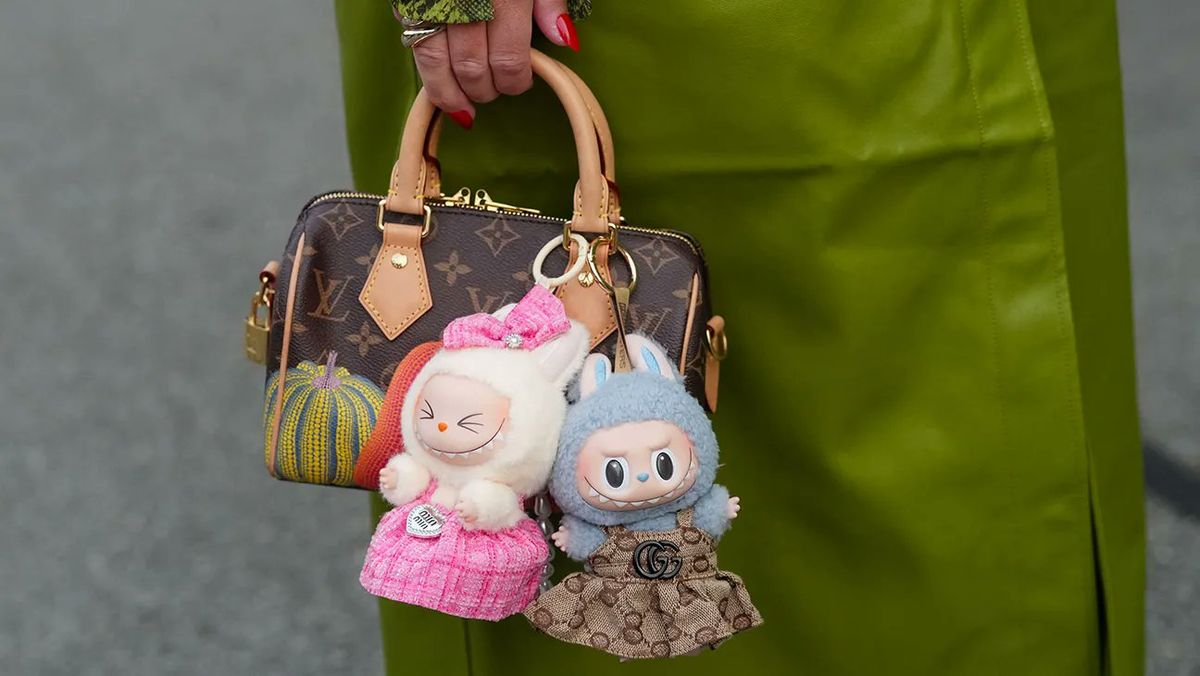
The market rewards both tastelessness and kitsch, but for different reasons.
Tastelessness sells through blunt desire. Kitsch sells through the comfortable simulation of meaning. Both consistently beat actual taste in commercial performance. Which is the whole point.
The "taste" framing is a cope
The "taste" framing lets technical people rebrand themselves as aesthetes rather than confront the harder truth: the bottleneck was never code, and it was never taste. Its distribution and product-market fit. Those are messier, less intellectual, and much harder to romanticize on X.
What vibecoders actually need is knowing what triggers people to click, share, buy, or come back. Understanding positioning: who is this for, why now, why this and not the thousand other things AI can generate. Having the nerve to ship something loud and imperfect rather than polishing endlessly.
That’s a commercial instinct. Marketing. Creativity.
Sometimes taste and marketing overlap. Steve Jobs had both. But conflating them is a mistake, and most people who claim to have "taste" are really describing a preference, not a marketing skill.
Good news: you can train your commercial skills and taste
Commercial instinct and the ability to create something unique come from empathy and the ability to watch and listen to other people. It requires leaving your comfort zone and actually observing how non-technical humans make purchasing decisions.
- Broaden your inputs. Visit museums and galleries, but also go to underground clubs somewhere in Berlin or London. Try new food, smell weird fragrances, and meet people outside of your usual circle.
- Talk to people. Ask them what they like and, more importantly, why they like it. Focus on a specific group and learn their habits. Stop thinking of your users as "men 18-45 living in Western Europe" and start thinking of them as people with insecurities, desires, and a credit card.
In a world flooded with AI-generated everything, the person who understands why people buy things will be the person with "good taste".
If you feel that you need help with marketing and narrative for your product, drop me a line at hey@dariastrategy.com