January 31, 2026
5 (un)expected career trends in 2026
We’ve entered a new era of career and personal development, powered not only by AI but also by fear of fakes, hacking, loneliness, and tech neck. Here are 5 trends that explain what’s happening.
I don’t think it’s an “AI vs humans apocalypse” moment, but 2026 makes it pretty clear we’ve entered a new era of work. What used to feel like “the future” is now just reality: chaotic, overwhelming, and promising.
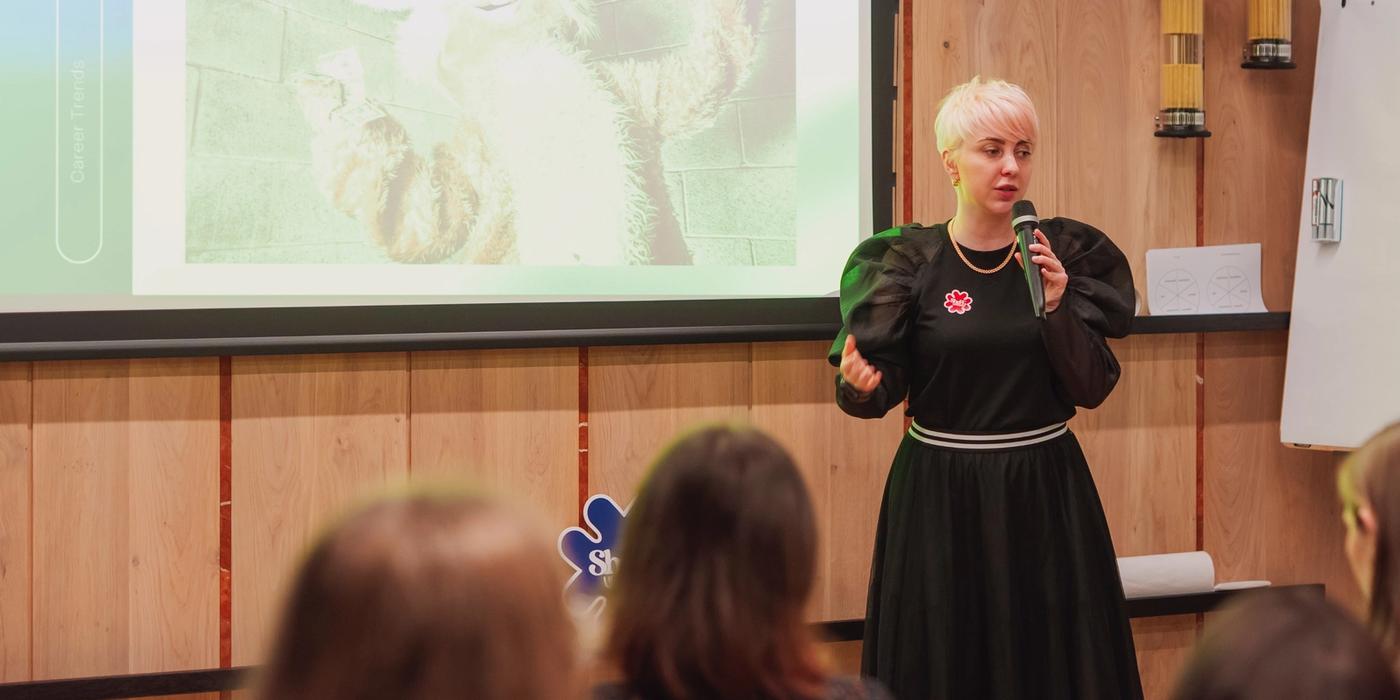
In December 2025, I organized the SheFi Warsaw Christmas meetup and shared my personal observations alongside some global trends that were already becoming visible.
Now, it’s wild to see how accurate those predictions were ⤵️
The new AI elite
If your job is a stack of repeatable steps, AI will push your value down. If your job is making decisions, setting direction, and owning results, AI will push your value up.
The “new elite” is the person who can take messy reality and turn it into outcomes, using AI as leverage:
- Marketers become mini-studios.
- Lawyers become high-speed scanners.
- Designers cross into development.
- PMs prototype and test at warp speed.
Collins Dictionary named “vibecoding” its Word of the Year for 2025, and this is just the beginning. Everyone learns Claude Code. Early 2026 has been flooded with vibe-coded projects that would’ve been impossible just six months ago. And this year, we’ll start seeing open-source models reach Claude Code level performance.
I’m leading growth at DecentWealth - a privacy-first portfolio tracker that doesn’t sacrifice usability or design. It was built by Andrii Bondar for people who want to track crypto and stocks without needing to be privacy nerds or having a computer science degree.
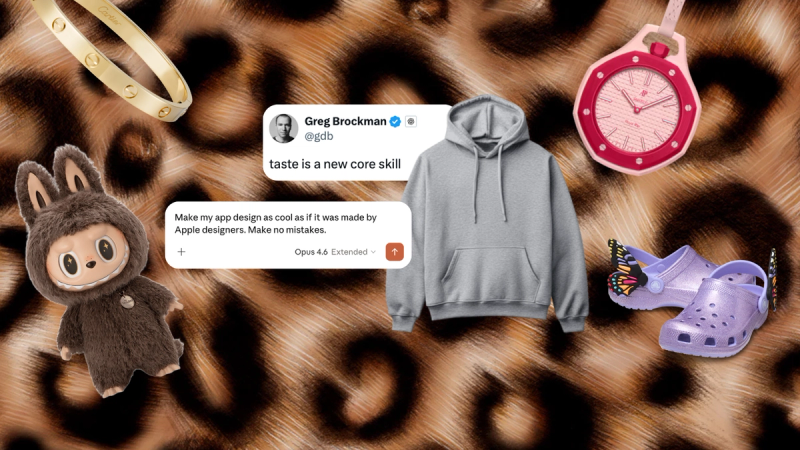
When everyone can ship a website, an app, or polished visuals, what matters most is taste, judgment, and systems thinking.
Community Managers: selling belonging, saving humans from loneliness
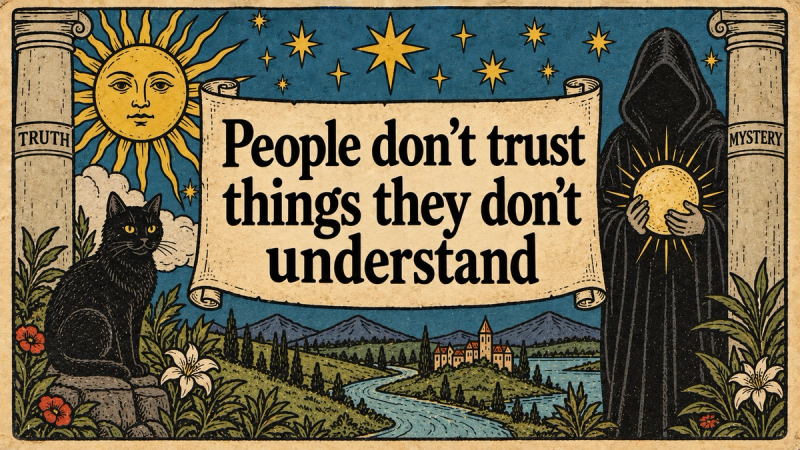
Look around and realize: people don’t trust anything. Institutions feel fake. Feeds feel fake. People feel anxious, tired, and scared. Every day, we’re faced with uncertainty, and our brains try to find places and people that can offer (or at least promise) safety and mental comfort. In 2026, “community” stops being a vibe and becomes a job, because nobody wants to build their whole identity around a company Slack channel. Communities will design belonging:
- onboarding and rituals
- moderation and conflict handling
- norms and boundaries
- events that turn followers into members
SheFi Warsaw, Women In Tech, and ETHWarsaw communities in 2025. Crypto loves communities and tribes. One ecosystem often stands against another, like a Machiavellian “divide and rule” dynamic. But this year, I think we’ll see more communities that heal and support people.
Longevity is the new sex flex
All that scrolling, sitting, and stress shows up in your neck, your sleep, and your nervous system. The term “tech neck” isn’t a joke; you can see it on your friends, your relatives, or your own body.
A few years ago, scientists showed Mindy what her digital life was doing to her body. I personally don’t plan to see myself or my family in that state. Mindy and her body after 12 hours of screen time.
Many people are done being told “just drink water” as if that’s a complete medical plan. Demand is growing for people who can take evidence and turn it into action:
- movement plans people actually follow
- mental health support built for modern stress patterns
- sleep, recovery, and lifestyle systems that don’t require perfect discipline
Experts working at the intersection of medicine, psychology, and lifestyle coaching will be increasingly in demand. One pioneer in this space is @bryan_johnson, a millionaire who has tried nearly every treatment and technique he can to prolong his life and launched his own supplement brand.
Every day on X, I see people debating peptides, creatine, fats, and protein. Tech folks are deep into health and longevity, and it’s only accelerating. I take omega-3s, magnesium, and vitamin D daily + creatine and collagen sometimes.
The internet goes nuts, so authenticity becomes infrastructure
Bots scale. Deepfakes scale. More content looks real, until it isn’t. So the next demand spike is obvious: people will pay for certainty.
X blew up with posts about an AI-generated monk giving life advice. Accounts like this are growing fast, and “regular” social media users will keep falling into sales traps set by monks, doctors, and influencers generated with tools like NanoBanana, Midjourney, or Reve. That's why reputation & authenticity experts will work with:
- verification
- provenance (where did this come from?)
- integrity (was this altered?)
- reputation history (is this account credible?)
AI slop will be identified and beaten by other AI tools, and by people who understand how the whole system works.
Security and privacy stop being optional
Phishing, deepfakes, wallet drains, social engineering, it’s all scaling. Security and privacy aren’t niche anymore. They’re vital.
Every day, cybersecurity engineers and support teams at banks, CEXes, and wallets see how one random link turns into one more incident report. White hats defend systems, and they can teach normal humans how not to get wrecked.
All the scary stories about North Korean hackers are real, but they’re not the only threat. Russia, China, the U.S., and many other countries run operations under false flags. Even your neighbor, or a friendly barista at a coffee shop, could try to compromise your laptop through wifi.
In 2026, everyone has a digital footprint. Cybersecurity demand is rising, and basic personal security is becoming table stakes:
- don’t click random links
- don’t use your main wallet for everything
- don’t broadcast your current location or travel plans
- lock down your accounts like you’re a target (because you are), especially if you work in crypto/fintech, or if people close to you do
The real meta: turning complex systems into usable human reality
In tech-heavy industries, it’s easy to forget this: people are still at the center of everything. The best strategies come from builders who act like change-makers:
- tech → humans
- science → habits
- purpose → actions
- data → narrative
- network → opportunities
The future won’t reward people who are “busy.” It’ll reward people who are useful at the edge of complexity.